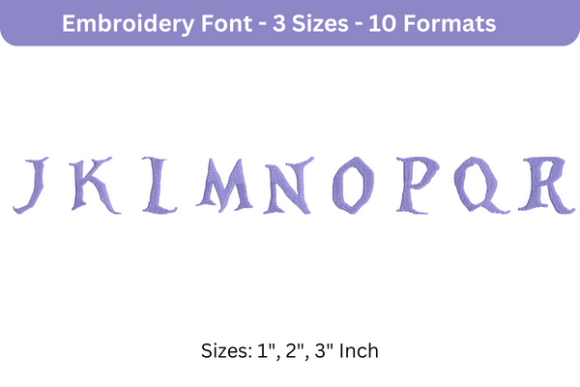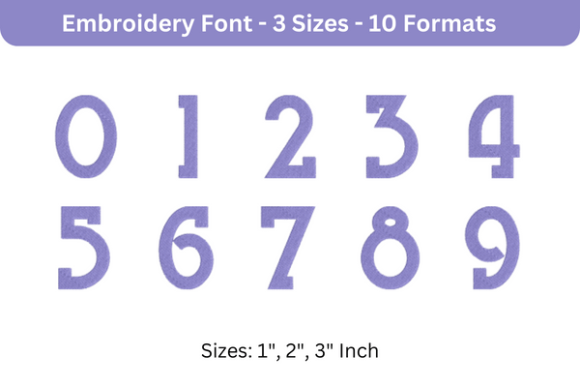
Blue Plate Font 0 to 9 Review for Small Business Merch
As an experienced embroidery designer who has spent years refining digital files for commercial production, I often look for fonts that strike the perfect balance between professional polish and approachable charm. When I first encountered Blue Plate Font 0 to 9, it immediately caught my attention as a potential powerhouse for small business merchandise. This is not just a decorative element; it is a functional tool designed to help you personalize your designs with names, dates, or quotes on any fabric you wish. In this review, I will break down how this machine embroidery design performs in real-world scenarios, from branded patches to staff uniforms.
The First Impression: Personality and Brand Fit
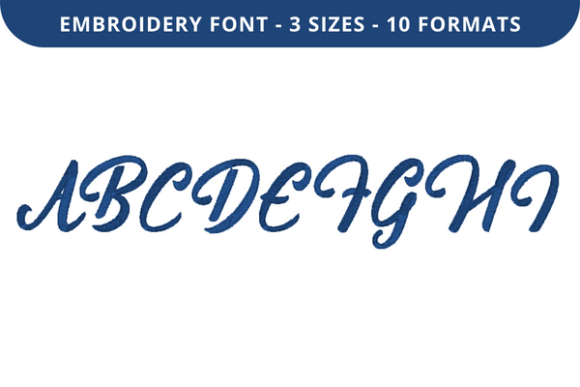
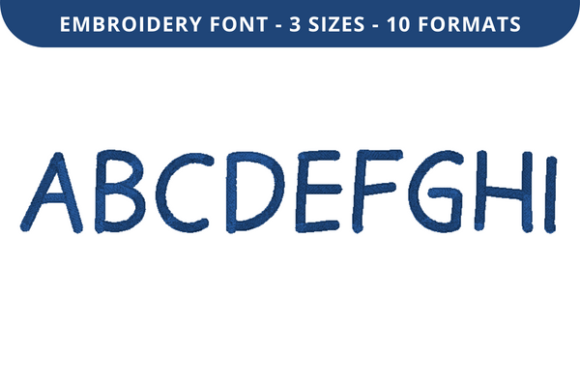
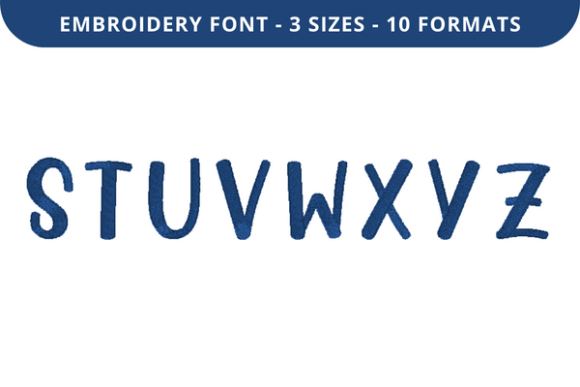
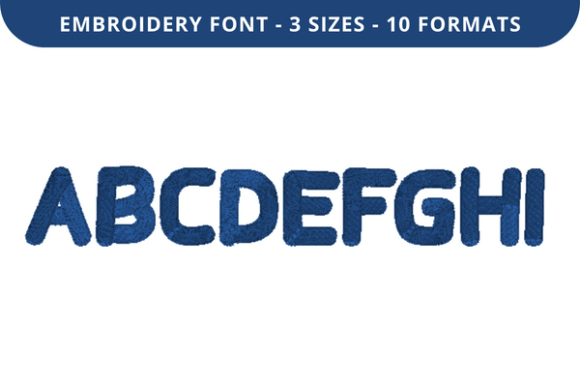
The moment you load Blue Plate Font 0 to 9 into your digitizing software, the visual personality of the typeface becomes clear. The name itself suggests a blend of classic Americana and modern utility. It feels friendly yet bold, making it an excellent choice for businesses that want to project a sense of warmth without sacrificing professionalism. Whether you are running a local café, a boutique handmade shop, or a creative studio, this font offers a versatile aesthetic that fits seamlessly into various brand identities.
Unlike overly ornate scripts that can be difficult to read at small sizes, this design maintains clarity while offering a distinct character. It leans slightly towards the rustic and premium categories, which makes it ideal for brands that value craftsmanship. For Etsy sellers and merch creators looking to elevate their product presentation, this font provides a level of visual consistency that helps establish trust with customers. It signals that the business cares about the details, a crucial factor when selling handmade products.
Real-World Applications for Small Business Owners
In my experience, the true test of an embroidery file is how it translates from a digital screen to a physical finished product. Blue Plate Font 0 to 9 excels in several key areas of small business merchandising. One of its strongest use cases is for creating custom embroidered patches. Because the font supports numbers (0 to 9) alongside letters, it is perfect for adding order numbers, date stamps, or specific identifiers directly onto patches. These can serve as unique branding assets for craft business assets or as part of a limited edition collection.
For apparel decorators, this font is highly effective on apron embroidery. Imagine a bakery or florist using this design to stitch employee names or the shop's founding date on high-quality chef coats or aprons. The readability ensures that customer service remains personal and welcoming. Similarly, cap embroidery benefits greatly from this style. The clean lines work well on curved surfaces, allowing for crisp chest logos or sleeve details that enhance the overall look of work shirts.
Tote bag design is another area where this file shines. A tote bag serves as a walking advertisement for your brand, and having a durable, legible mark is essential. Using Blue Plate Font 0 to 9 allows you to create a memorable logo or a catchy quote that customers want to carry around. Furthermore, it works beautifully as a branded product add-on. You can attach a small tag or label to your packaging accents featuring the font, turning a simple transaction into a cohesive brand experience. Whether you are preparing for event merch or creating custom apparel for a corporate client, this design asset adds a layer of sophistication.
Strategic Use Cases for Specific Industries
- Cafés and Bakeries: Perfect for labeling coffee cups, pastry boxes, or staff aprons with a warm, inviting tone.
- Pet Brands: Ideal for stitching owner names and pet IDs onto collars or bandanas, ensuring durability and clear identification.
- Local Boutiques: Great for creating hang tags or interior labels that emphasize the handmade nature of the goods.
- Creative Studios: Useful for numbering portfolios or identifying equipment with a professional touch.
Where to Exercise Caution
While Blue Plate Font 0 to 9 is robust, there are specific scenarios where careful planning is required to ensure a high-quality result. Small patch sizes demand precision; if the lettering is too condensed, the stitches may crowd each other, leading to a loss of definition. When designing for cap fronts, always account for the curvature of the hat, as straight text can sometimes distort on tight curves.
High stitch density is another factor to consider. If the design is applied to textured fabric like heavy canvas or thick denim, the underlying texture might interfere with the thread lay, causing the letters to look uneven. Additionally, dark uniforms require a strategic choice of thread colors to maintain contrast. If the stitch density is too high on a delicate fabric, it could cause puckering, ruining the appearance of the finished product.
Items that need frequent washing, such as work shirts or aprons, also require extra attention. While this is a machine embroidery design built for durability, improper stabilization can lead to thread breaks or distortion after multiple wash cycles. Always inspect spacing carefully before committing to a large run, especially for tiny lettering where every millimeter counts.
Impact on Brand Identity and Customer Trust
Choosing the right embroidery file goes beyond aesthetics; it impacts your brand identity and customer perception. Blue Plate Font 0 to 9 contributes to a narrative of quality and attention to detail. When a customer sees a neatly stitched name on an apron or a crisp logo on a tote bag, it reinforces the idea that your business is established and reliable. This visual consistency builds buyer engagement and fosters long-term loyalty.
For digital embroidery file buyers, the ability to customize names and dates adds significant value to your product offerings. It transforms generic merchandise into personalized gifts, which often command higher prices and generate better reviews. By integrating this font into your workflow, you enhance the perceived value of your handmade product, making it stand out in a crowded marketplace.
Practical Designer Notes for Production
Before you start mass-producing items with Blue Plate Font 0 to 9, I strongly advise following these practical steps to ensure success. First, test the design in black and white within your digitizing software to check the flow and spacing without the distraction of color. This helps identify any potential issues with kerning or stroke width.
Next, verify the hoop size requirements and confirm that the design fits comfortably within your standard embroidery frames. Check if it works effectively at your smallest intended patch size; if the details become muddy, you may need to simplify the design or increase the dimensions. Reviewing thread color contrast is critical, so create a printable mockup for client approval before cutting any fabric.
Always test on the actual fabric you plan to use, including the proper stabilizer. Different fabrics react differently to tension, and what looks good on cotton might fail on polyester. Compare this design beside your other design assets to ensure it aligns with your existing brand guidelines. Finally, confirm the commercial licensing terms before using this file for business purposes. Understanding the license ensures you are compliant and protected when selling your branded merchandise.
In conclusion, Blue Plate Font 0 to 9 is a versatile and valuable addition to any embroidery designer's toolkit. Its blend of classic style and modern utility makes it suitable for a wide range of applications, from Back To School projects to year-round commercial embroidery. By understanding its strengths and limitations, you can leverage this font to create exceptional branded patches, custom apparel, and memorable product labels that elevate your small business to the next level.